How to Buy Property in France as an International Buyer
Buying property in France is a dream for many international buyers — whether the goal is a second home, a lifestyle move, a future retirement plan, or a long-term investment. From elegant Paris apartments and Riviera villas to countryside homes in Alsace or Dordogne, France offers a wide range of opportunities.
But buying here is not always straightforward.
For English-speaking and overseas buyers, the French property market can feel fragmented, unfamiliar, and at times difficult to navigate. The search process works differently, the legal structure is different, and the way properties are marketed is often unlike what buyers may be used to in North America or other countries.
The good news is that with the right information, the process becomes far easier to understand.
This guide explains how to buy property in France as an international buyer — including how the market works, how to choose the right location, what legal steps to expect, and what to know before moving forward.
Can Foreigners Buy Property in France?
Yes — foreigners can absolutely buy property in France.
There are generally no restrictions preventing non-French buyers from purchasing residential property in France, whether for personal use, a second home, retirement, or investment purposes.
That said, being legally allowed to buy is only one part of the picture.
International buyers often need to understand:
- how the French buying process works
- what additional costs to budget for
- how taxes and notaire fees apply
- whether financing is realistic
- and how to avoid wasting time on the wrong locations or listings
This is why planning and local understanding matter so much.
Why Buying Property in France Feels Different
One of the biggest surprises for international buyers is that France does not operate like many Anglo-American property markets.
There is no centralized MLS system that cleanly organizes all listings in one place. Instead, properties are often spread across:
- multiple estate agencies
- regional portals
- private agency networks
- word-of-mouth opportunities
- and occasional off-market listings
This means buyers can easily feel like they are seeing the same properties repeatedly — while also worrying they may be missing others entirely.
The process can also feel more opaque if you are unfamiliar with French terminology, legal structures, or negotiation culture.
That is why many buyers benefit from first understanding the system before getting too emotionally attached to listings.
If you want a broader overview of where to begin, you can also explore regional property insights at BuyPropertyFrance.com.
Start With the Right Region — Not Just the Right House
One of the biggest mistakes buyers make is searching for the “perfect property” before first identifying the “right lifestyle.”
In France, your experience of ownership will depend enormously on where you buy — not just what you buy.
A beautiful house in the wrong region can quickly become the wrong decision.
Before focusing too heavily on listings, it helps to ask:
- Do I want a city, coast, countryside, or village lifestyle?
- Do I want year-round living or a seasonal home?
- How important are airports, trains, healthcare, and walkability?
- Do I want local calm, or a more international environment?
- Am I looking for lifestyle first, or investment potential too?
These questions matter because France is not one single market — it is many different regional lifestyles.
Some of the Most Popular Areas for International Buyers
France attracts very different types of buyers depending on the region.
Paris
Ideal for buyers looking for global connectivity, culture, prestige, and long-term urban value.
Nice and the Riviera
Popular for second homes, coastal living, sunshine, and Mediterranean lifestyle.
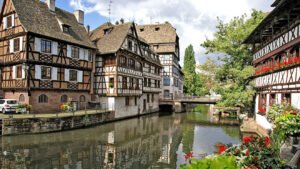
Strasbourg and Alsace
Appealing for buyers who want charm, walkability, European accessibility, and a refined lifestyle with strong regional identity.
Lyon
Attractive for buyers who want elegant urban living, gastronomy, and a more balanced pace than Paris.
Southwest France
Often chosen for countryside living, village charm, and larger homes with outdoor space.
If you are still comparing options, regional guides can help you avoid making a purely emotional decision too early.
What Type of Property Should You Buy in France?
France offers a very wide range of housing styles, and each comes with different advantages and trade-offs.
Apartments
Often ideal for city living, lock-and-leave ownership, and easier maintenance.
Village Houses
Full of charm and character, but sometimes more complex in terms of renovation and layout.
Country Homes
Often offer more space, gardens, and lifestyle appeal — but can involve greater maintenance and access considerations.
Villas / Detached Homes
Popular for lifestyle buyers wanting privacy, outdoor space, and comfort.
Renovation Properties
Can be rewarding, but require careful budgeting and realistic expectations.
The “right” property is not always the most beautiful one online — it is the one that best fits your intended use, long-term comfort, and actual lifestyle.
Understand the Buying Process Before You Start
The French buying process has its own structure, and understanding it early can make the entire experience much less stressful.
A simplified version usually looks like this:
- Define your goals
Budget, region, property type, intended use, and time horizon.
- Search and compare
Review listings, local options, and regional differences.
- Visit or shortlist
View properties in person or organize a focused shortlist.
- Make an offer
Once a suitable property is found, an offer can be submitted.
- Sign the preliminary agreement
This is often the compromis de vente, which outlines the agreed terms.
- Notaire process
The notaire handles the legal transaction process and final transfer.
- Final signature
The purchase is completed at the final signing.
This is one reason why many international buyers benefit from understanding the system before they become too emotionally invested in one property.
What Are Notaire Fees and Other Buying Costs?
One of the most common misunderstandings among foreign buyers is the true cost of buying beyond the purchase price.
In addition to the property price, buyers often need to budget for:
- notaire fees
- registration taxes
- legal administrative costs
- survey or inspection costs (if applicable)
- mortgage-related costs (if financing)
- renovation or furnishing costs
- annual property taxes and ongoing ownership expenses
These costs vary depending on whether the property is older, newer, urban, rural, or part of a co-ownership structure.
Understanding the full cost picture early can save a lot of frustration later.
Should You Buy Through a Traditional Agent Alone?
This depends on your experience, language comfort, and how confident you feel managing a fragmented system.
Many buyers begin by casually browsing listings and contacting local agencies directly. That can work — but it often becomes inefficient, repetitive, and difficult to coordinate, especially when dealing with multiple agencies across different areas.
International buyers often need more than access to listings.
They need:
- clarity
- filtering
- location guidance
- negotiation perspective
- practical support
- and someone who understands what overseas buyers often miss
That is where buyer-focused guidance can become extremely valuable.
If you are looking for English-speaking buyer-focused support in France, you can learn more at BuyerAgentFrance.com.
Why Lifestyle Should Be Part of Every Buying Decision
A property can look perfect online and still be wrong in real life.
That is why smart buying in France is not just about:
- square meters
- stone walls
- or beautiful shutters
It is also about:
- daily life
- noise or calm
- winter atmosphere
- transport access
- neighborhood quality
- local services
- resale appeal
- and whether the area truly fits how you want to live
This is where many buyers benefit from lifestyle-focused research before they commit.
That is also why sites like HomeFrance.eu matter — because understanding France properly often starts well before making an offer.
Final Thoughts on Buying Property in France
Buying property in France can be deeply rewarding — but it works best when approached with clarity, patience, and a realistic understanding of how the market actually functions.
The best buying decisions usually come from combining:
- regional understanding
- practical process knowledge
- realistic budgeting
- and a strong sense of what kind of life you actually want in France
The more informed you are before you begin, the stronger your decisions tend to be later.
If you are still exploring, continue comparing regions and practical guides.
If you are moving closer to an actual purchase, buyer-focused support may help you move forward more confidently.
Thinking About Buying in France?
If you are comparing regions, trying to understand the process, or looking for buyer-focused guidance, these resources may help:
- Explore regional property guides at BuyPropertyFrance.com
- Learn about English-speaking buyer support at BuyerAgentFrance.com
- Discover premium lifestyle and property opportunities at 1Empress.com
Recommended Reads:
- Buying Property in France: A Complete Guide for International Buyers — buypropertyfrance.com
- What Is a Notaire in France — Foreign Buyer Guide — buypropertyfrance.com
- The French Property Buying Process Explained — buyeragentfrance.com
- How Paris Apartments Compare to Manhattan Luxury Condos — gtamarket.ca